The Edit
Notes on denier, fit,
and what to wear it with.
Everything we know about hosiery, in four short reads. No seasonal trends, no filler.
01
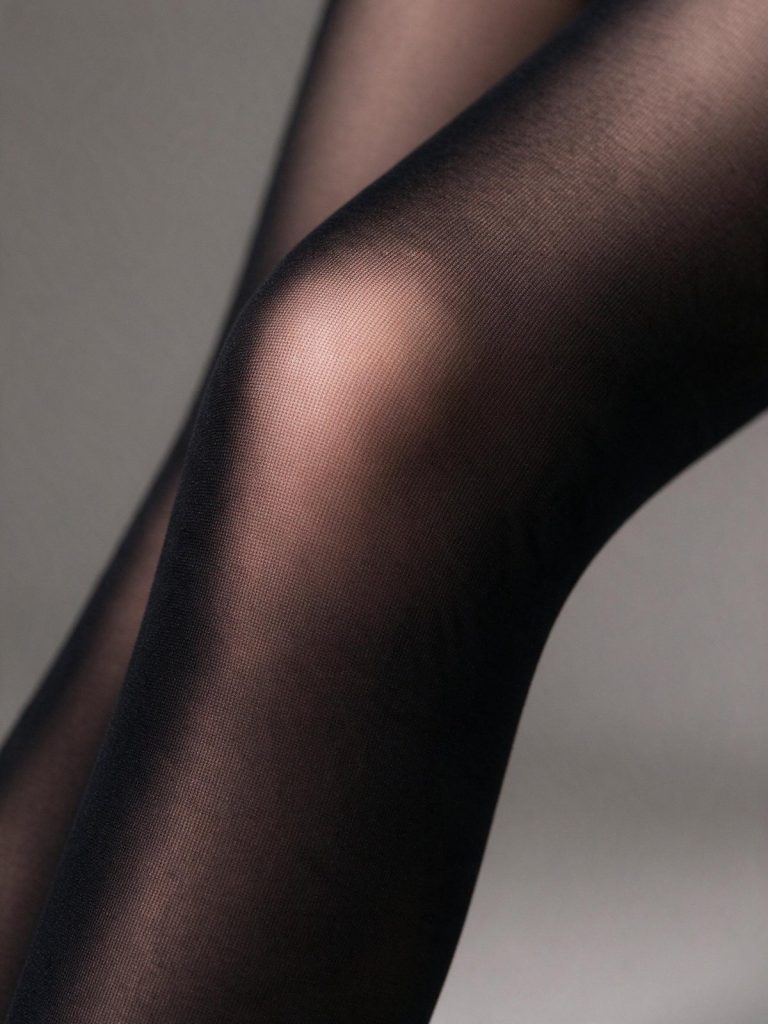
What denier actually means
Denier is the weight of the yarn, not the thickness of the fabric. A lower number means a finer thread, which means a more transparent leg. It is the single most useful number on a hosiery pack, and the one most often ignored.
- 10–15 denier
- Nearly bare. For warm weather and evening, not for a desk.
- 20 denier
- The standard sheer. Enough colour to even out the leg, still clearly skin.
- 40–50 denier
- Half-covered. Reads as a deliberate choice, not a compromise.
- 80 denier and up
- Opaque. Replaces a legging in winter.
If you only own one pair, make it 20.
02
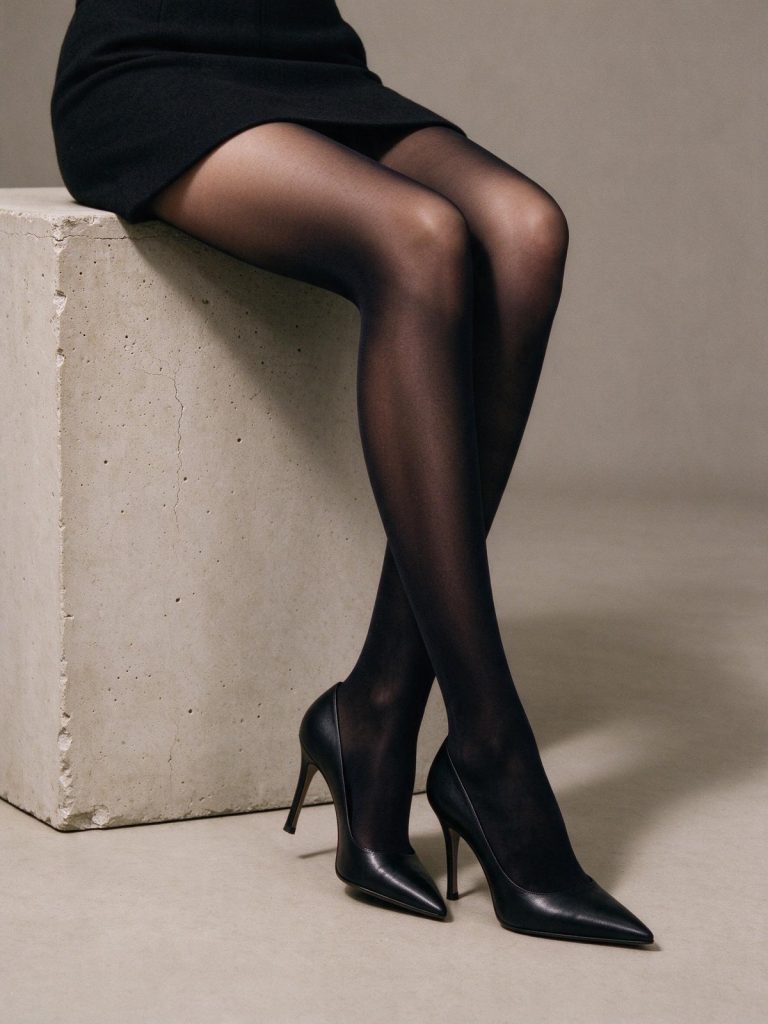
Three ways to wear
The office. 80 denier, a wool skirt, a flat shoe. Opaque tights are the one weight that reads as tailoring rather than lingerie. Keep the shoe dark and the hem at the knee.
The evening. A patterned sheer with a satin slip. The rule is one texture at a time — if the tights have a pattern, the dress should not.
The weekend. Pin dot with a knit and a boot. A small print reads as texture from a metre away, which is what you want on a Saturday.
03
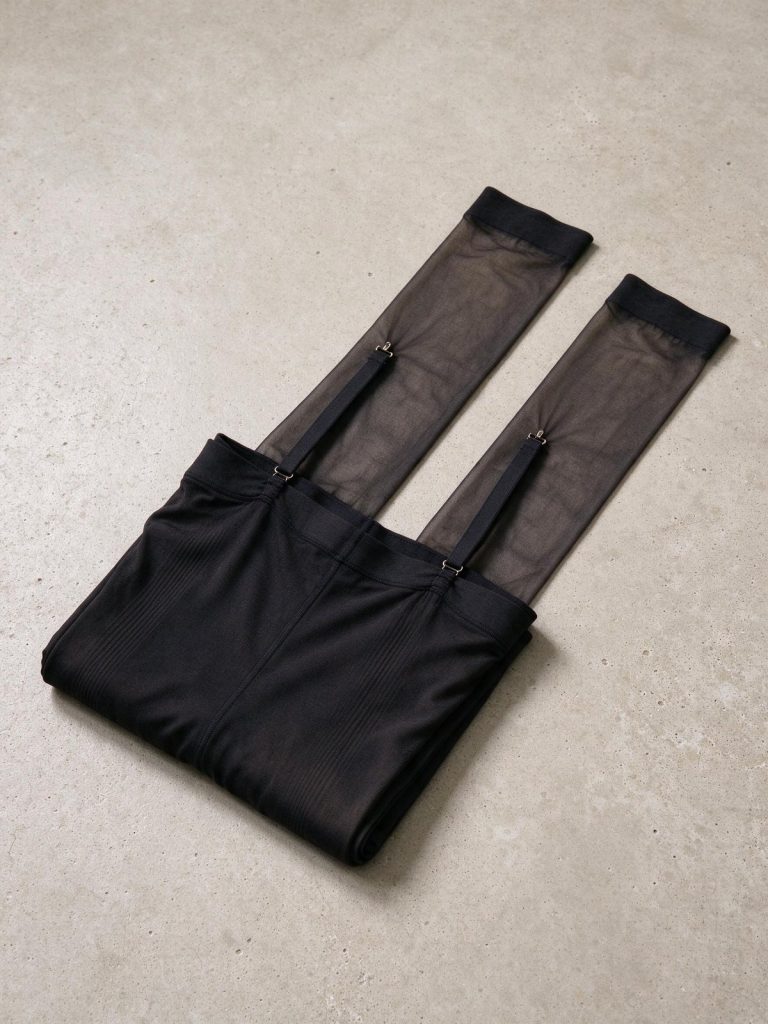
Making a pair last
Most tights do not wear out. They get caught.
- Put them on before your rings, not after.
- Hand wash cold, no wringing. Roll in a towel, then lie flat.
- Never tumble dry. Heat sets runs.
- Keep a spare pair in the drawer. The day you need them is the day you will not have time to buy them.
04
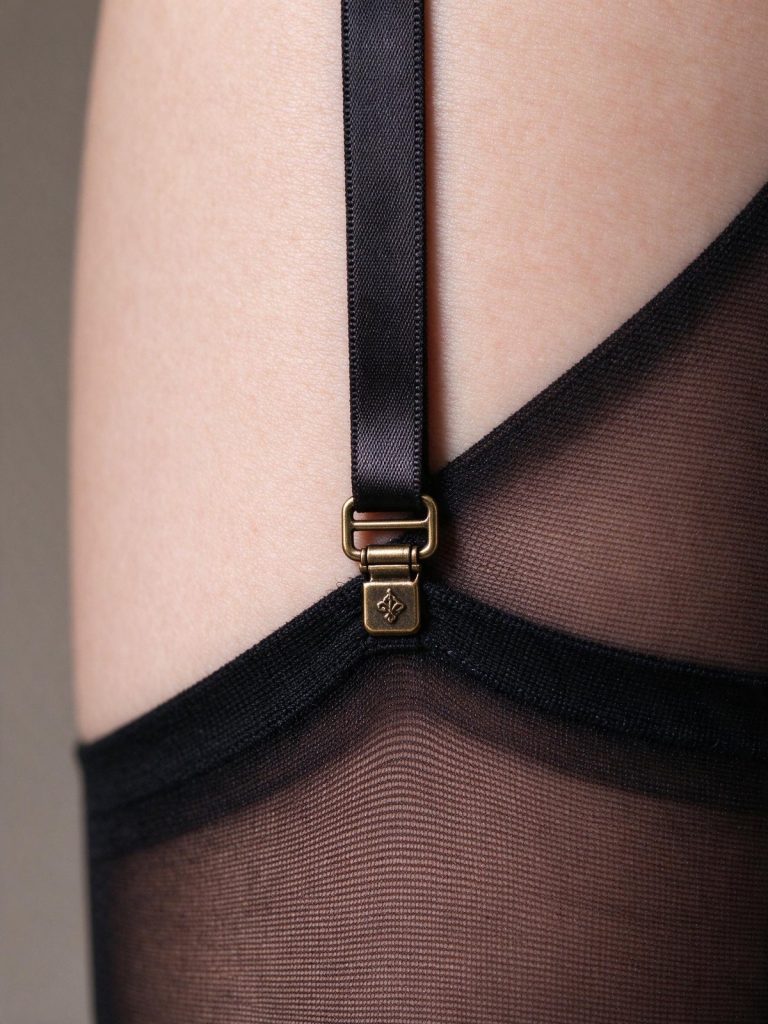
Between two sizes
Hosiery is graded by height first, weight second — the opposite of how most clothing works. A pair that is too short will pull at the crotch and roll at the waist no matter how slim you are.
If you are between sizes, take the larger. The leg will sit smoother and the band will not dig in.
The full chart, in US sizes, is on every product page.
Start with a 20 denier.
It is the pair that tells you whether the rest is for you.
Shop sheer tights